Performance
Power (C-rate), energy density, and cycle life tailored to your load profile and business case
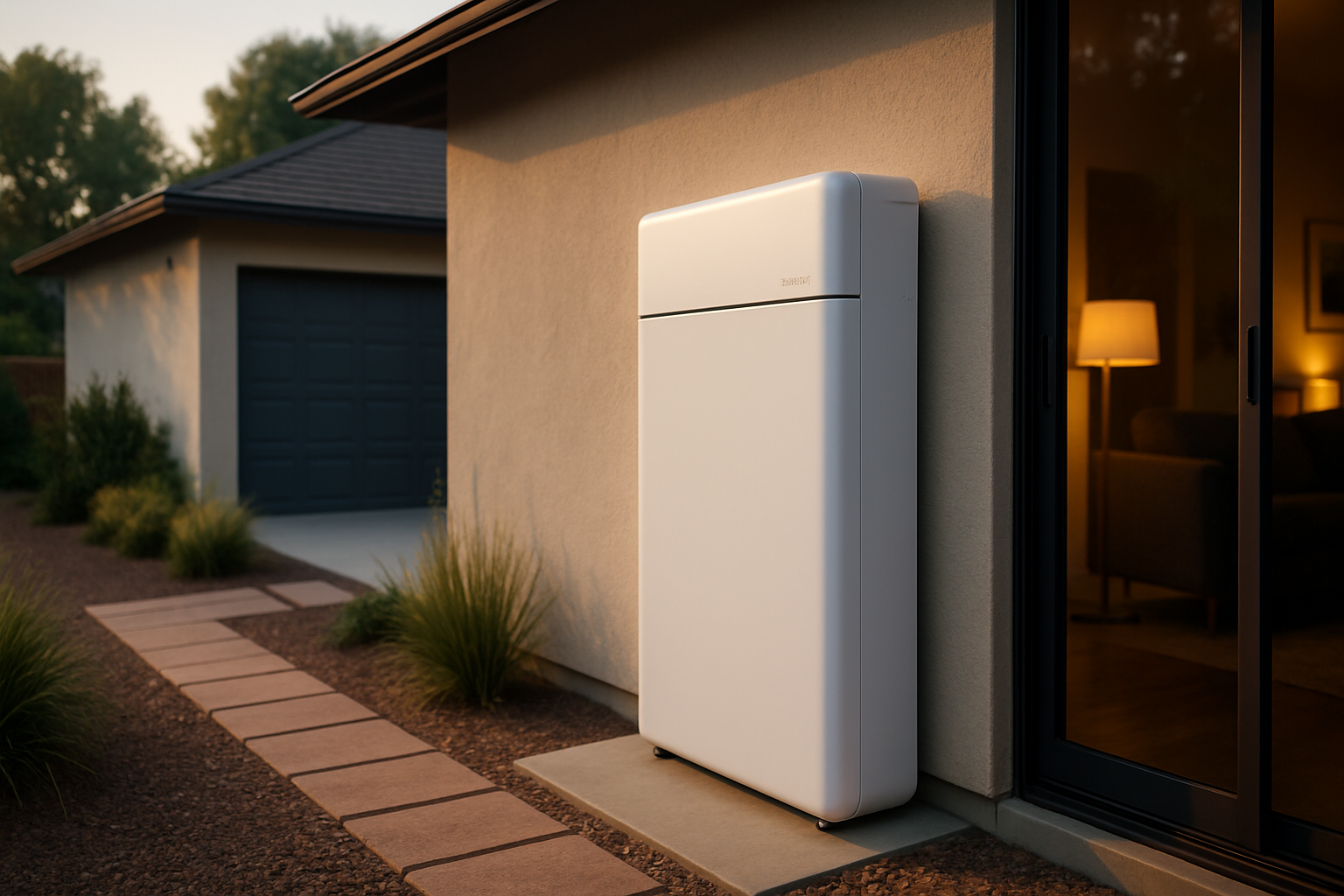
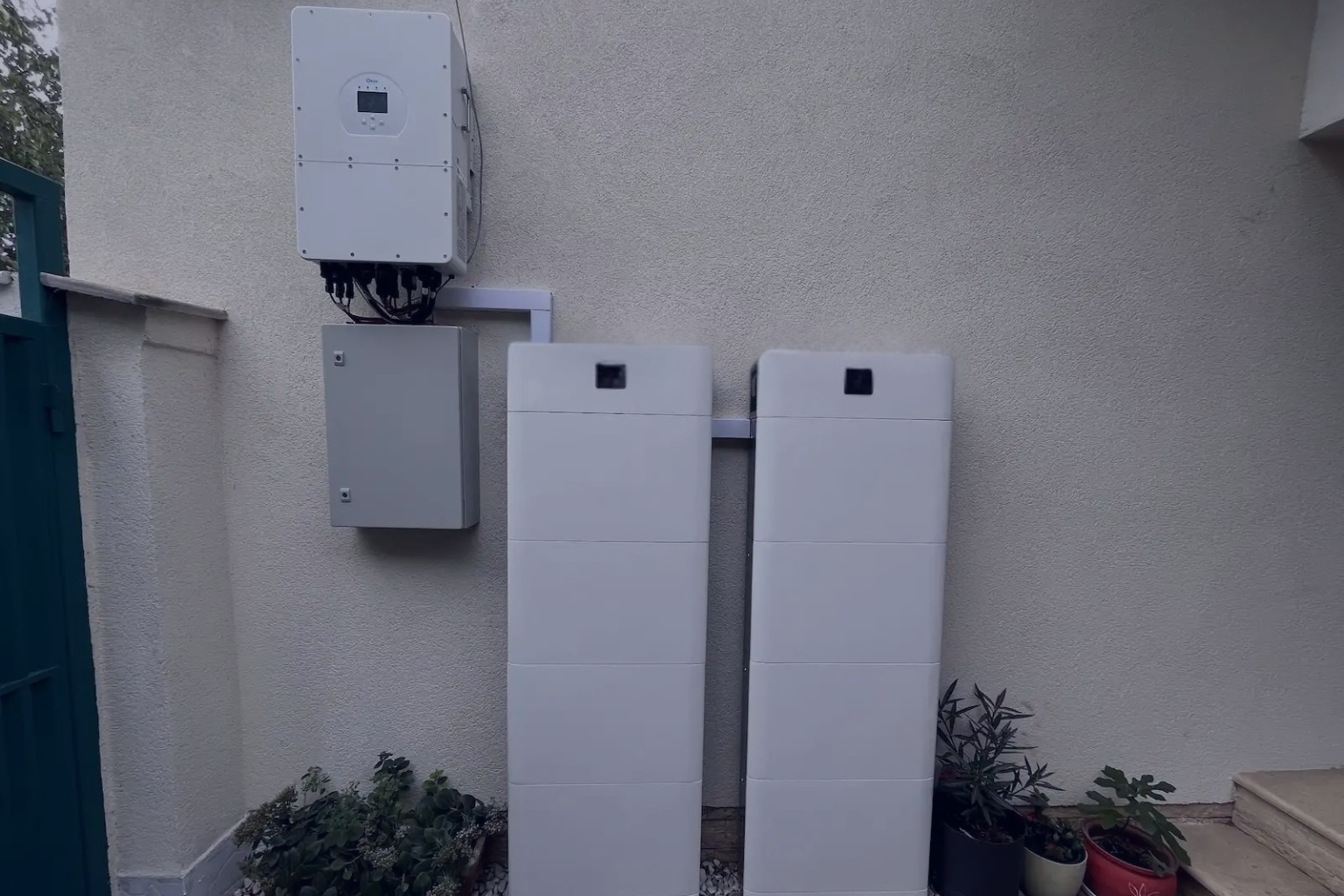
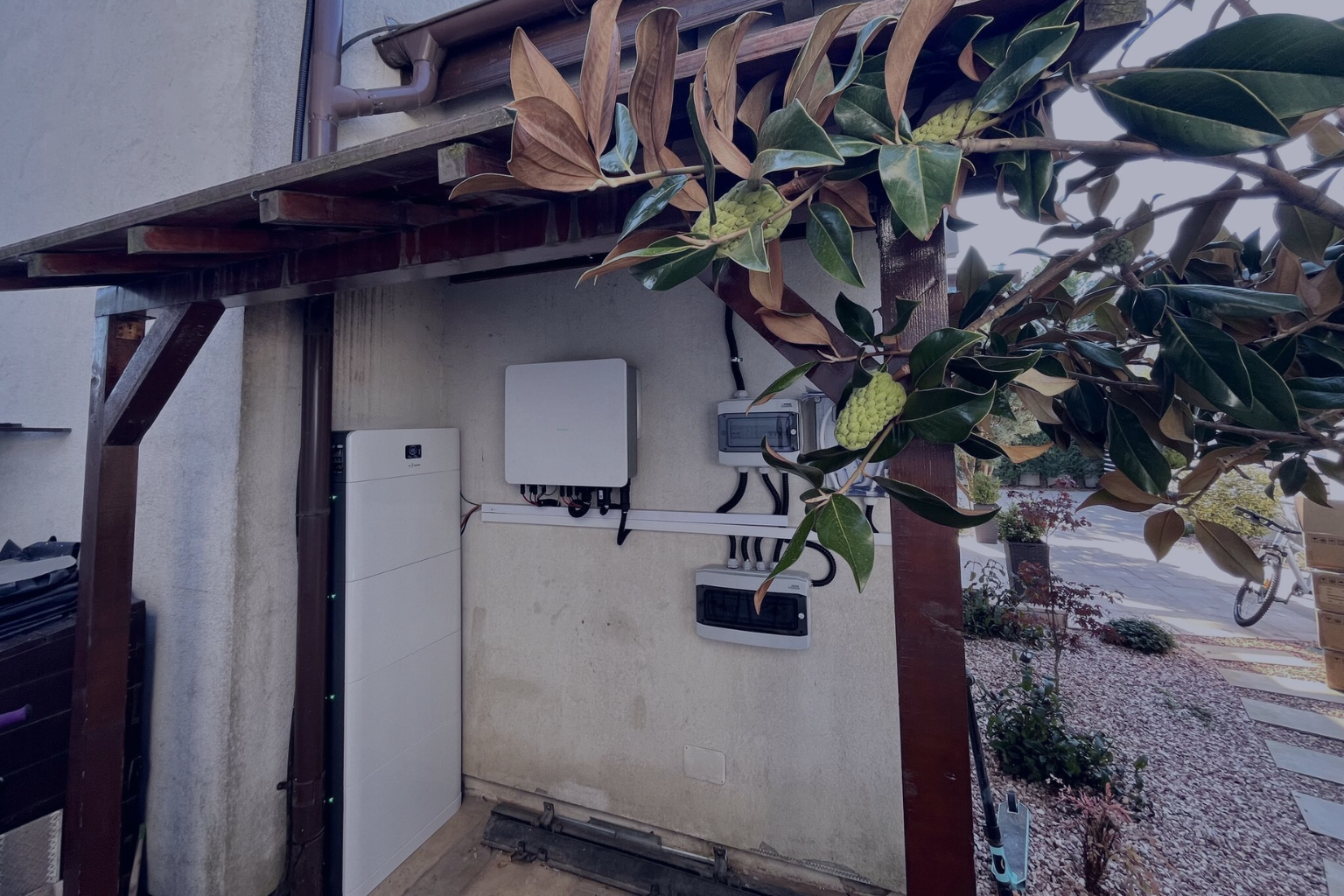
Home batteries are the next step toward energy independence. A typical residential BESS includes lithium‑ion batteries, a bidirectional inverter, and smart energy management. Systems can be added to existing PV installations or installed as part of an integrated home energy setup that combines PV, battery storage, and EV charging.
Typical system sizes (10–40 kWh). Use cases: backup power, PV self-consumption, EV charging integration.
Battery storage isn’t just for saving energy-it can also generate income. Depending on your grid connection, you may be able to participate in reserve power markets (primary and secondary) and earn revenues by providing grid support. You can also benefit from energy trading on intraday and day-ahead markets by buying electricity when prices are low and selling excess energy during peak demand.
Power (C-rate), energy density, and cycle life tailored to your load profile and business case
Chemistries and system architectures designed with safety first
Sourcing transparency, ethical materials, recyclability, and carbon footprint
Regulatory fit and smart integration across international markets